Other Sciences علوم أخرى
الفرق بين النصيحة والتعيير
The Difference between Advising and Shaming
Arabic text with an English translation
By al-Ḥāfiẓ Zayn al-Dīn ʿAbd al-Raḥmān ibn Aḥmad Ibn Rajab al-Ḥanbalī (736–795 AH / 1335–1393 CE)
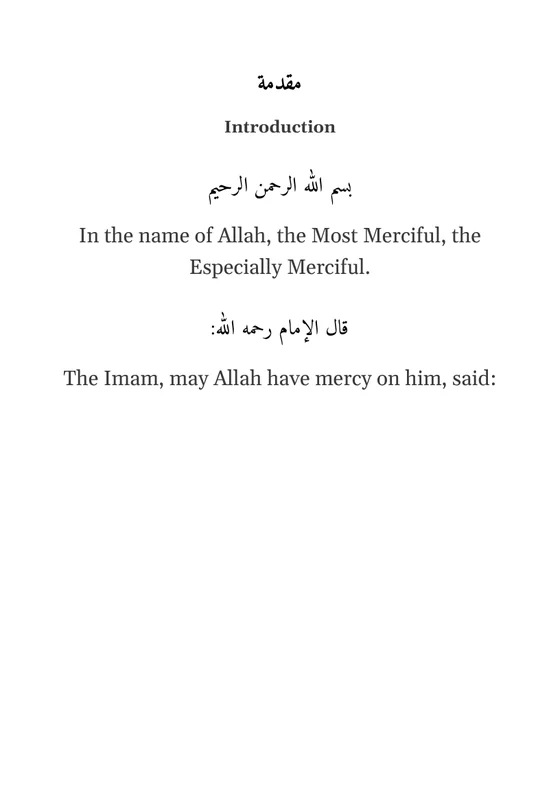
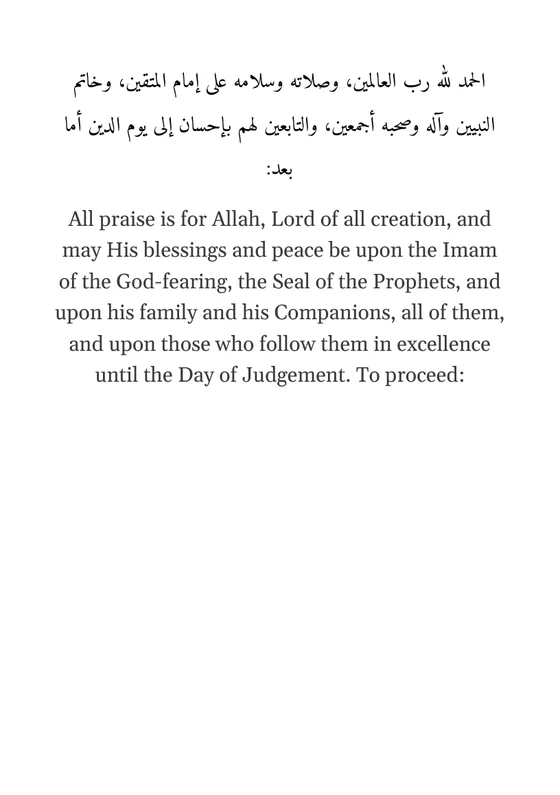
The Arabic text, with each Arabic passage followed directly by its English translation, centred, and pages that turn right to left.
Interested in the complete e-book?
Download our sample to explore the original Arabic text alongside its English translation. If you would like further information about obtaining the complete book, please contact us using the details below.
About the text
Al-Farq bayna al-Naṣīḥah wa-al-Taʿyīr (“The Difference between Advising and Shaming”) is a short treatise by Ibn Rajab al-Ḥanbalī on the difference between sincere advice (al-naṣīḥah) and shaming (al-taʿyīr). The two, he explains, can look alike, because each mentions of a person what he would dislike to have mentioned; the difference lies in the intention, the manner and the effect.
It is a work of manners and counsel, widely read as a reminder of how advice should be given and of the harm of exposing a Muslim’s faults.
This edition
- The Arabic text, prepared from the typography of the source used for this edition (matching the Dār ʿAmmār / Shamela 22566 recension), read against that typography page by page and compared with the text in Majmūʿ Rasāʾil al-Ḥāfiẓ Ibn Rajab (ed. Ṭalʿat ibn Fuʾād al-Ḥalwānī), which is based on manuscripts. Obvious typographical slips, and two passages whose wording in the source typography is corrupt, have been corrected from the Ḥalwānī edition.
- The editor’s footnotes and the indexes printed at the end of the source have been omitted. The six section headings of the source typography (an introduction and five fuṣūl) have been kept.
- Qur’anic verses reproduced from the verified Tanzil Uthmani text.
- A new English translation in British English, rendering the Arabic without added commentary. Hadith and reports are translated as the author gives them.
- Each Arabic passage is followed immediately by its English, so the reader moves between the two languages passage by passage. The Arabic is the primary text; the English is set slightly smaller beneath it.
- Text centred throughout, in the manner of classical matn editions.
- Pages turn from right to left, as in an Arabic book.
- A bilingual contents page listing the introduction and five sections.
Details
- Subject
- Advice and manners
- Languages
- Arabic, with English translation
- Layout
- Arabic and English interleaved, passage by passage
- Page direction
- Right to left
- Sections
- 6
- Format
- EPUB 3 · reflowable, Kindle-compatible via Send to Kindle
- Arabic typeface
- Amiri
New to e-books? See reading on Kindle and formats.
Look inside
Sample pages
Pages as they appear in the e-book. Layout reflows to fit each screen, so line breaks will differ on your device.
Get in touch
If you would like the complete book
If you would like the complete book, or have a question, please contact us using the email address below.